Social Analytics Guide
Measure social media without confusing reach, attention, attribution and business outcomes.
-
 Video Completion Rate Meaning: Platform View Thresholds and Video Length
-
 What Belongs in a Social Media Dashboard for Operators and Executives
-
 How Often Social Media Reports Should Be Updated by Decision Type
-
 How to Explain a Social Media Metric Change With Decomposition and Evidence
-
 What Makes a Social Media KPI Useful for Business Outcomes
Guides by category
-
 Attribution and experiments
Social media attribution requires stating the causal design, window, and blind spots—no method delivers precise user-level attribution, and each answers a different question.
-
 Content analysis
 requires comparable cohorts, distribution accounting, and restraint from causal claims. Listening and monitoring serve different scopes.
-
 Metrics
Every social platform defines metrics differently. This hub states the rules: name the platform and date, show the denominator, never compare unlike metrics.
-
 Privacy and data access
The privacy and data access governance hub for social analytics, covering GDPR, CCPA, API limits, vendor assessment, and the public-private data boundary.
-
 Reporting
A social media reporting framework ties every metric to a business question, shows change and uncertainty, and removes any chart without a named decision owner.
Latest articles
-
 How to Show Uncertainty in Social Analytics Reporting
Show uncertainty in social analytics reports using ranges, caveats, and sensitivity analysis rather than false precision, and remove any chart without a decision owner.
-
Social Media Metrics: Platform Definitions, Denominators and Data Rules
Every social platform defines metrics differently. This hub states the rules: name the platform and date, show the denominator, never compare unlike metrics.
-
Social Media Attribution and Experiments Hub
Social media attribution requires stating the causal design, window, and blind spots—no method delivers precise user-level attribution, and each answers a different question.
-
 Social Media Engagement Rate: Reach vs Impressions as the Denominator
Engagement rate divides interactions by reach or impressions. The denominator choice changes the number materially; native platforms default to reach.
-
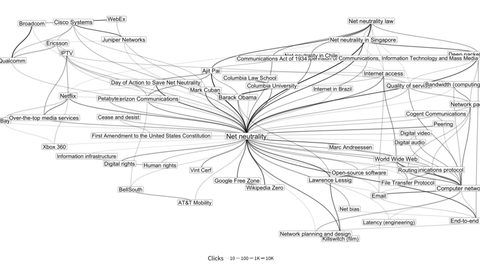 Reach vs Impressions: Platform Counting Methods and Duplication Explained
Reach counts unique users; impressions count total displays. Platforms count them differently—Meta uses pixel thresholds, X counts any serve—so cross-platform comparison is invalid.
-
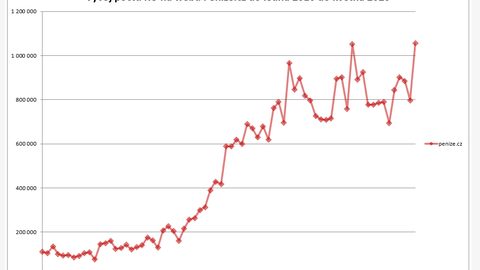 Which Follower Metrics Matter: Stock, Flow, Quality and Business Relevance
Follower count is vanity; net change, audience quality, and engagement ratio matter. Demographic data is modelled from a subset, not census-level.
-
 Why Social Platform Metrics Change: Definitions, Deduplication and Privacy
Platform metrics change due to product updates, privacy rules, and API deprecations. Historical data may be retroactively recalculated against new definitions.
-
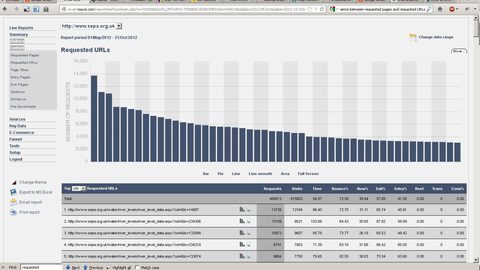 How to Audit Social Media Content Without Causal Fallacies
A social media content audit inventories posts, applies a taxonomy, and groups outcomes by comparable cohorts—without claiming one post's performance predicts another's.
-
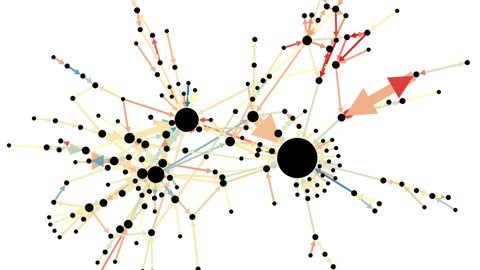 Can Social Media Sentiment Analysis Be Trusted
Social media sentiment analysis is a probabilistic classifier, not a measurement—validate vendor scores against human-coded samples before trusting trends.
-
 How Social Media Attribution Works Across Models and Windows
Social media attribution models assign conversion credit by rules and windows—platform self-attribution, GA4, and experiments each answer a different question.